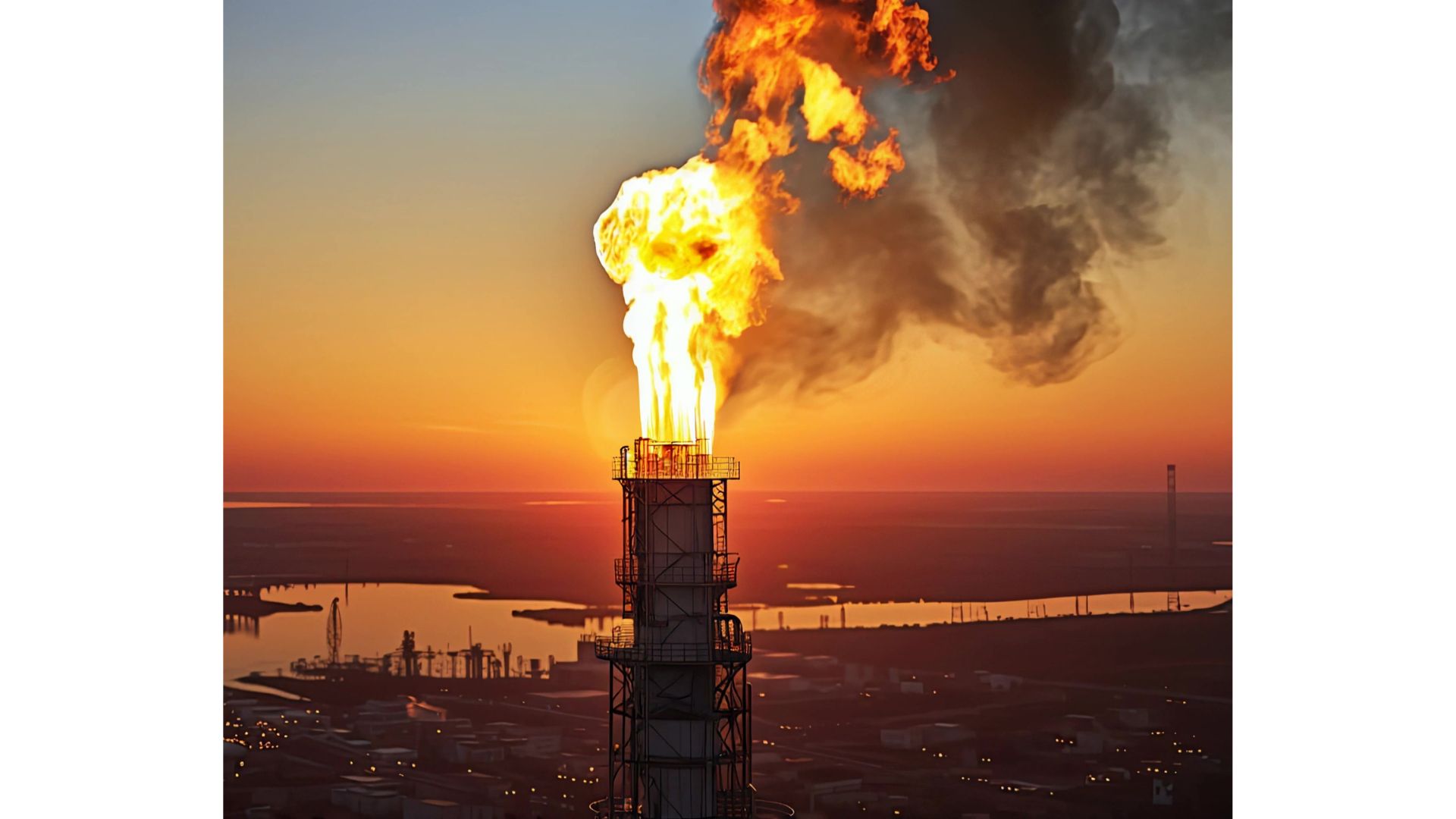
Gas is no longer just a fuel – it has become a geopolitical instrument shaping Europe’s electricity prices. As long as gas-fired power plants set the marginal price in electricity markets, the geopolitical risks tied to this fuel are directly reflected in electricity bills.
Originally published in Äripäev (Estonian): here.
Is carbon pricing really the main driver?
Estonia’s energy policy debate continues to revolve around finding the “optimal energy solution.” Rising and volatile energy prices have brought multiple options to the table, ranging from nuclear energy and renewables to flexible gas-fired power plants and the possible reuse of oil shale. The logic of managing energy dependence suggests that the solution lies in balancing these sources.
The discussion around oil shale often centers on the European Union’s emissions trading system (ETS), whose high carbon price is seen as the main reason for its lack of competitiveness.
But what if this assumption is not entirely correct?
If we look at the mechanisms shaping electricity prices in Europe, the carbon price has a relatively limited impact on overall energy costs. The key question is which fuel sets the final market price of electricity. Increasingly, that role is played by expensive gas.
The focus should therefore be on reducing energy dependence, rather than seeking short-term relief through adjustments to the ETS.
What really determines electricity prices
Electricity markets do not function intuitively. Prices are not based on averages, but on the most expensive producer needed to meet demand.
This means that the market price is set by the power plant that enters the market last. Very often, this is a gas-fired plant.
This is where the core of Europe’s current energy challenge lies.
When gas prices rise, electricity prices rise. This is true even when a large share of electricity is produced more cheaply (for example from wind, nuclear, or hydro). This is not an exception, but the design of the system.
Examples from Europe are telling. In Italy, gas-fired plants set the price 89% of the time, pushing the average electricity price to €142/MWh. In Spain, where gas plays a smaller role (15%), the price is only €59/MWh.
The difference does not come from carbon pricing. It comes from gas.
The geopolitical cost of gas
Recent developments have amplified this logic further. Conflict in the Middle East, disruptions in the Hormuz Strait, and instability in LNG supply chains have pushed gas prices sharply higher. This is not just price fluctuation, but systemic risk.
The Hormuz Strait is not merely a geographical chokepoint, but a global energy valve through which a significant share of the world’s LNG flows. If it becomes unstable, gas does not disappear from the market – it becomes more expensive and less predictable. Markets begin to price not only supply and demand, but also the risk of disruption.
Every gas-fired power plant in Europe carries, in addition to fuel costs, the risk of military escalation, supply chain disruption, global competition, and political decisions in third countries.
This leads to an uncomfortable conclusion: gas is no longer merely a “market fuel,” but a geopolitical instrument.
It is therefore inaccurate to describe gas as a cheap or stable alternative. Its price increasingly incorporates uncertainty.
The question of oil shale
Critics of oil shale correctly point to high emissions and outdated capacity. These are real issues, but they do not fully answer the question: would oil shale-based electricity necessarily be more expensive than gas?
Gas plants depend on imported LNG, whose price fluctuates and reacts to geopolitical developments. Oil shale relies on a domestic resource and offers a more predictable cost structure.
This does not mean oil shale is cheap. It means gas may be more expensive – and certainly more volatile.
Estonia as a special case
Estonia occupies a middle position in Europe’s energy landscape. It lacks cheap hydroelectric power and nuclear energy, yet seeks to avoid dependence on gas.
However, it remains connected to a market where prices are often set by gas.
Domestic production may not always reduce prices, but it can reduce risk and volatility – acting as an insurance mechanism.
The wrong question
The Estonian debate often focuses on the wrong question: does carbon pricing make oil shale too expensive?
The correct question is: what determines the price of electricity?
The answer is clear: not carbon pricing, but gas and Europe’s dependence on it.
As long as gas plants set the marginal price, electricity costs will follow gas prices – regardless of the energy mix.
For a broader perspective on Europe’s economic transformation, read:
What comes after capitalism? Europe and the future economic system